Polished or Frosted Rock Crystal: Suzanne Belperron's Signature Stone
Rock Crystal in the Work of Suzanne Belperron: The Art of Polished and Frosted
An emblematic stone in Suzanne Belperron's creative repertoire, rock crystal perfectly embodies her artistic philosophy: elevating materials often overlooked by traditional high jewellery to create pieces of timeless modernity. Whether polished to capture the light or frosted for a velvety texture, this colourless quartz becomes a true gem in her hands.
A Noble Stone Since Antiquity
Quartz belongs to one of the most important families of minerals. Its crystalline structure creates superb limpid prisms. It is called rock crystal when it is totally colourless, and smoky quartz when it has a "cognac" hue. It can also appear in various shades, each with its own name: citrine for the range of yellows and amethyst for the range of violets.
Since the earliest antiquity, rock crystal has been considered a precious stone. The Greeks, convinced that this transparent and colourless quartz was frozen water, gave it the name crustallos (ice). Carved by the Persians, favoured by the Greeks and Romans, it was honoured in the West during the 16th and 17th centuries in all European courts.
It is this historical nobility that Suzanne Belperron rehabilitated in her creations, at a time when high jewellery almost exclusively favoured traditional precious stones.
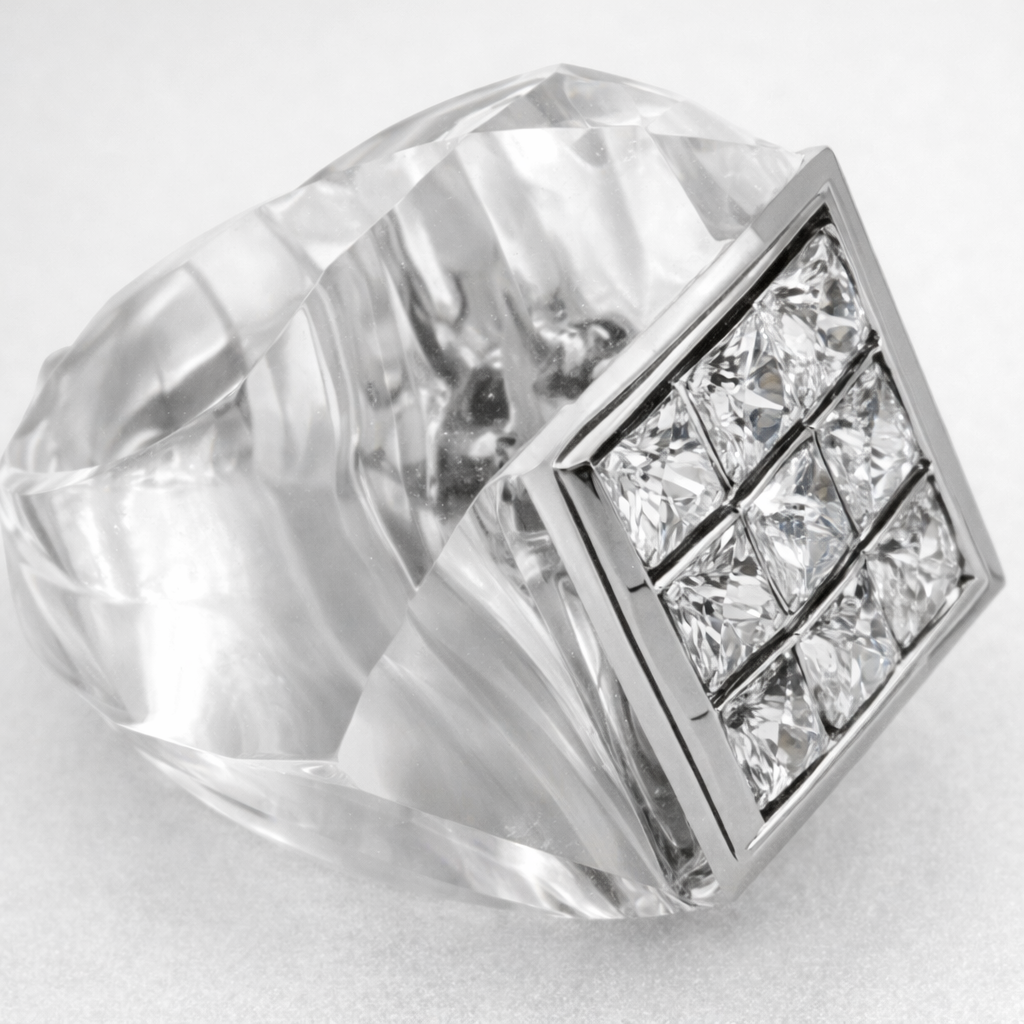
Polished or Frosted: Two Techniques, Two Effects
Polished Rock Crystal
Polishing rock crystal produces a perfectly smooth and brilliant surface. This finish captures and reflects light with crystalline purity, creating spectacular plays of transparency. Suzanne Belperron exploited this quality to design jewels of absolute clarity, where the stone appears to be made of pure ice.
Frosted (Matte) Rock Crystal
In contrast, the frosting technique gives the crystal a matte, satiny texture. This finish softens the stone's natural brilliance and gives it a velvety, almost milky appearance. Suzanne Belperron used this process to create striking contrasts within a single piece, playing with the effects of shadow and light that lie at the heart of her artistic vision.
These two approaches brilliant polished and satiny frosted allowed the designer to explore an unprecedented palette of visual effects, confirming her status as a pioneer in the art of modern jewellery.
The Technical Challenge of Hard Stones
A tricky problem arises for all jewellery created in hard stones such as rock crystal, smoky quartz, agate and chalcedony: these favoured materials make it impossible to apply any hallmark. Only the archives rediscovered in 2007 by Olivier Baroin make it possible to trace the original order of the jewel and to identify with certainty the authentic creations of Suzanne Belperron.
This difficulty of traceability explains the crucial importance of the archives in authenticating rock crystal pieces. For although Belperron's style is recognisable she declared "My style is my signature" the ease with which hard stone pieces can be reproduced, given the evolution of industrial processes, makes the work of experts particularly complex.
The Signature Alliance: Rock Crystal and Diamonds
Suzanne Belperron was particularly fond of combining diamonds with rock crystal. Examples include:
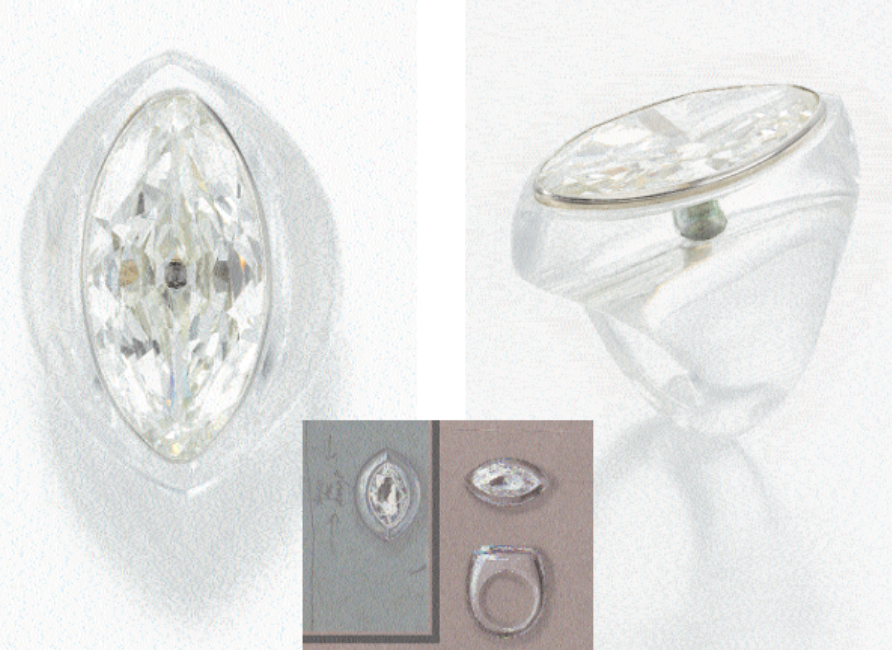
- A personal ring with a rock crystal body adorned with an old-mine navette-cut diamond weighing approximately 12 carats, mounted in platinum
- A scroll-design brooch, carved from a block of rock crystal, enhanced with veins and settings punctuated with diamonds a jewel that Suzanne Belperron wore very regularly
- Spectacular double clip brooches in rock crystal and diamonds, triangular in shape, enhanced with a ribbed motif entirely pavé-set with diamonds
This bold alliance between a semi-precious stone and the noblest of gems perfectly illustrates Belperron's philosophy: the beauty of a jewel lies not in the commercial value of its materials, but in the harmony of their combination.
The Role of Adrien Louart, Master Lapidary
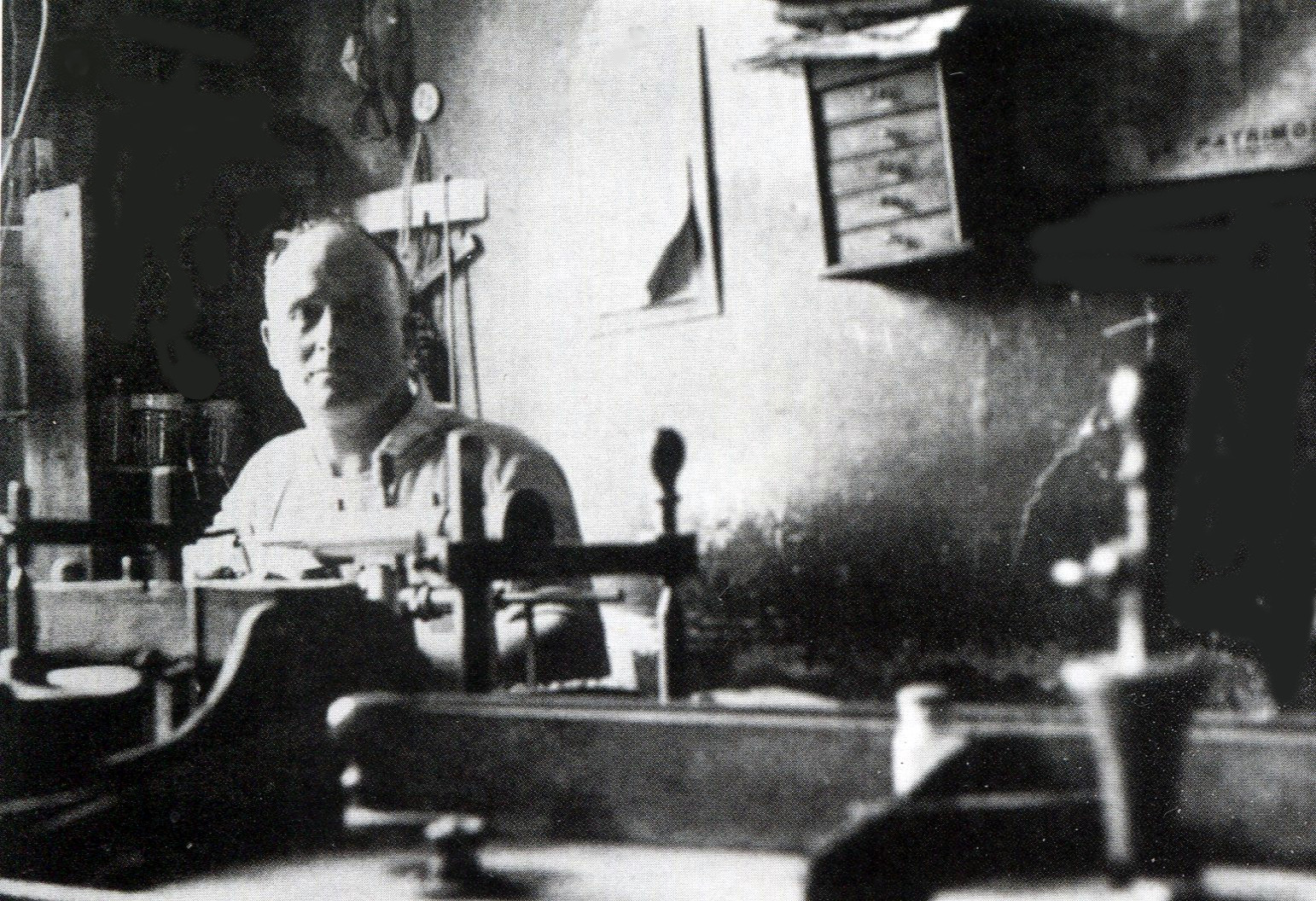
An unrivalled craftsman in the jewellery world, the lapidary Adrien Louart (1890–1989) played a major role in creating Suzanne Belperron's rock crystal jewels. Born on 11 January 1890 in Estrées-Saint-Denis, he devoted his entire life to the art of lapidary work.
Adrien Louart's technical innovations made it possible to adjust stone settings or pearl studs within hard stone structures rock crystal, smoky quartz, agate, chalcedony. These technical feats gave rise to infinite variations of the designs imagined by Suzanne Belperron, who played with the tones of the stones.
The sale at the Hôtel Drouot (8 December 1992) of jewels from the Louart workshop included numerous creations by Suzanne Belperron, reflecting the diversity of designs born from this exceptional collaboration.
Iconic Creations in Rock Crystal
From 1917 to 1942, Suzanne Belperron created the most iconic jewels of her œuvre. Bracelets, rings, double clips and earrings in rock crystal and diamonds, cut or sculpted were produced in endless variations:
- Stylised Coquillage (shell) ear clips in gold, platinum and carved rock crystal, adorned at the centre with a scroll of old-mine-cut diamonds
- Rock crystal bracelet, decorated with a square-cut emerald and diamonds
- Double clip brooch in carved rock crystal, mounted in white gold and platinum, set with baguette-cut, calibré-cut and old-mine-cut diamonds
- Pair of clips in platinum and rock crystal, triangular in shape, with a design of bevelled baguettes carved from the block
These pieces demonstrate exceptional technical mastery and an unparalleled artistic vision, achieving record prices at international auctions today.